
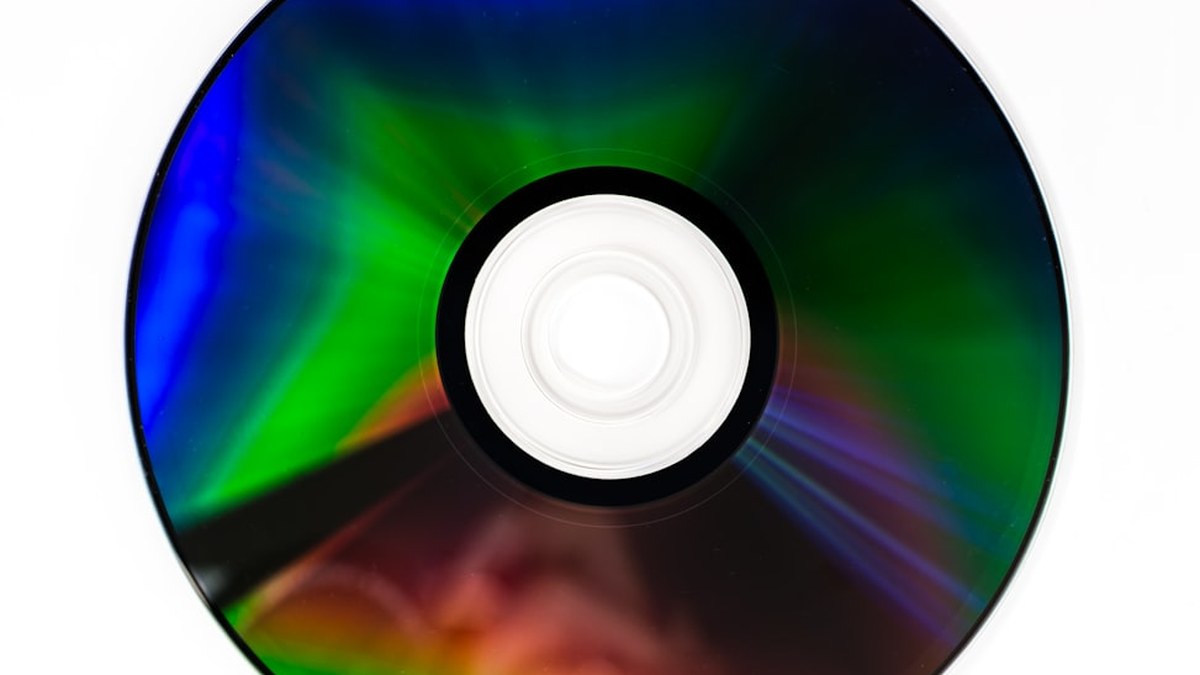
The compact disc feels nostalgic, yet its story is packed with lessons for modern creators.
Formats shape behaviour, and behaviour shapes what gets bought, saved, and shared.
This article pulls practical takeaways from the CD era that still apply to video and digital content now.
It’s easy to treat the CD as a relic: a shiny circle from a time when people bought albums and lined them up on shelves. Yet the CD era wasn’t just about a new object. It was about a new relationship to quality, portability, ownership, and packaging.
If you make content today – video, music, podcasts, branded clips – the CD’s rise has clues about how formats win. Not because they are technically perfect, but because they fit real life. When a format helps people organise their identity and habits, it sticks.
The CD wasn’t only “better sound”
The sales pitch focused on clarity and durability, but the real shift was convenience paired with status. A CD collection looked neat. It signalled taste. It was easier to skip tracks, easier to store, and it felt modern.
If you want the fun detail that anchors the timeline, Did you know the first CD was produced in 1982? is a quick read that sets the scene for how fast a format can move from novelty to normal.
Lesson 1: packaging is part of the product
Jewel cases were not loved because they were comfortable; they were loved because they made ownership visible. The booklet, the cover art, the track list – those were signals. They helped people feel they had something complete.
Modern creators can apply this by building “packaging” around digital work. A series thumbnail set, a consistent intro, a downloadable companion, a neat landing page – these are the modern booklet. They can raise perceived value without changing the core content.
Lesson 2: the format changes how people pay attention
Cassettes made fast-forwarding feel slow and uncertain. CDs made skipping precise. That nudged listening behaviour toward standout tracks and repeatable favourites. You could jump directly to what you loved.
Platforms today do the same. Short-form video and chapter markers train audiences to skip. That doesn’t mean depth is dead; it means structure matters. If your best point is buried, people won’t wait for it.
Lesson 3: “quality” is what people notice, not what you measure
Technically, many things affect sound and image quality. Practically, the audience notices fewer: clarity, noise, and consistency. CDs delivered a consistent experience across players and tracks, which built trust.
For video, trust is built by stable audio levels, clean lighting, and predictable pacing. You don’t need cinema gear to create that. You need repeatable choices that reduce friction for the viewer.
Lesson 4: distribution wins when it’s frictionless
One reason CDs took off is that they fit existing retail habits while improving them. People could still browse, still gift, still collect. The upgrade felt safe.
When you choose where to publish, choose the place your audience already behaves naturally. Then make the first “yes” easy: a clear title, a strong opener, and a reason to keep watching.
Apply the CD lesson to your video strategy
Creators often chase novelty in tools instead of reliability in process. The CD era was a triumph of standardisation. It worked because it reduced surprises for the customer.
If you’re building a content engine, this is where marketing thinking meets production thinking. Video marketing: let’s go viral connects the creative side to the practical side of distribution and shareability.
A simple “format fit” checklist
When you are deciding how to package a series, a campaign, or even a single piece, run this checklist. It keeps you focused on what audiences actually do, not what you wish they did:
- Where will it be watched? phone, desktop, TV, in-app, embedded.
- How will it be saved? playlist, bookmark, download, subscribe.
- What signals quality fast? audio clarity, title, thumbnail, opening line.
- What makes sharing easy? short clips, clear quote, simple link, punchy hook.
Why green screen belongs in this conversation
CDs gave creators a reliable way to deliver a consistent experience. Green screen can do something similar for video production: it can standardise your visual identity. If you can shoot the same subject setup and change the background per campaign, you get consistency plus flexibility.
If you want the technical model that makes green screen feel less mysterious, How does green screen work? is worth revisiting with a “standardise the experience” lens.
Nostalgia is useful when it becomes a tool
Nostalgia can be decorative, or it can be strategic. When a format sticks in memory, it often means it solved a problem in a way that felt good. The CD solved convenience and identity in one object.
Modern creators can borrow that lesson by solving a real friction point for the audience and wrapping it in a satisfying experience. That might be a series that respects time, a guide that is easy to save, or a video format that looks consistent from episode to episode.
The CD doesn’t need to come back for its lessons to remain useful. The story is a reminder that the container shapes the content, and the content shapes the habit.